
What if your body’s silent distress signals could unlock the secret to lasting vitality? Cold hands, persistent numbness, or unexplained fatigue might seem minor, but they often point to a hidden issue: compromised circulatory health. Your cardiovascular system acts as a lifeline, delivering oxygen and nutrients to every cell while removing waste. When this process falters, even basic functions suffer.
Nearly 8% of adults in the U.S. experience circulation challenges, with symptoms ranging from mild tingling to severe tissue damage. Left unchecked, reduced blood supply can lead to ulcers or slow-healing wounds as cells struggle to regenerate. The good news? Your daily habits hold immense power to reverse these risks.
This guide cuts through the noise with science-backed methods to revitalize your body’s natural flow. Discover how hydration, targeted movement, and stress management create a ripple effect through your veins and arteries. Small changes today can prevent major health battles tomorrow.
Key Takeaways
- Healthy circulation fuels energy levels, organ function, and tissue repair
- Warning signs like cold extremities often precede serious complications
- Lifestyle adjustments outperform quick fixes for long-term results
- Muscle activity directly impacts vascular efficiency and nutrient delivery
- Early intervention prevents irreversible damage to delicate capillaries
Understanding the Importance of Blood Flow
Your body’s vitality hinges on a silent highway that fuels every cell. This intricate network delivers oxygen and nutrients while removing waste—a process critical for energy production and tissue repair. Without efficient circulation, even basic functions like muscle movement or cognitive performance suffer.
How Circulation Impacts Your Health
Your cells depend on steady nutrient delivery to maintain organ function and repair damage. The circulatory system acts as a cleanup crew, whisking away toxins that could otherwise accumulate. When this process falters, fatigue sets in, and cellular regeneration slows.
Recognizing Signs of Poor Circulation
Persistent coldness in hands or feet often serves as the first warning. Tingling sensations or numbness may follow, particularly in extremities. Visible changes like pale skin or swollen veins demand attention—these markers frequently precede serious vascular complications.
Slow-healing sores or sudden muscle weakness signal advanced issues. Left unaddressed, reduced oxygen supply can lead to tissue breakdown. Early detection helps prevent irreversible damage to delicate capillaries and organs.
Simple Lifestyle Changes for Healthier Circulation
Small tweaks to your day can revolutionize your circulatory efficiency. Minor adjustments to posture, activity levels, and hydration create measurable differences in vascular performance. These strategies work with your body’s natural rhythms rather than against them.
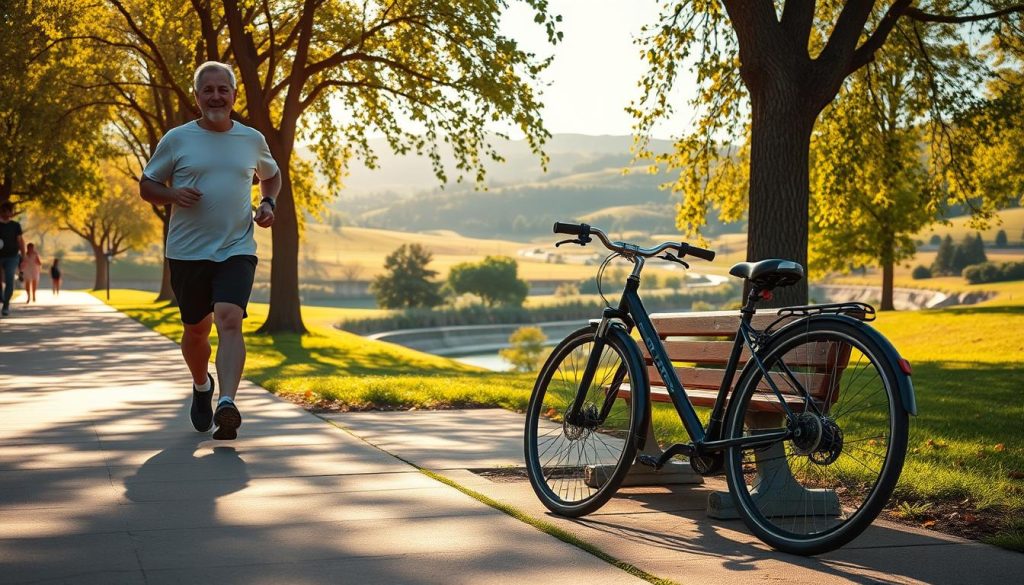
Beneficial Habits to Keep Your Blood Flowing
Elevate your legs when sitting—hips higher than knees—to let gravity assist nutrient delivery. This simple posture shift reduces strain on veins, especially during prolonged desk work or travel.
Movement breaks every 90 minutes combat stiffness from sitting. Ankle rotations and shoulder rolls take seconds but maintain vascular elasticity. Pair this with 30-minute walks—the NHS-recommended weekly 150 minutes of activity strengthens heart function.
- Hydrate with 6-8 glasses of water daily; plasma volume directly affects flow efficiency
- Sleep flat rather than reclined to prevent fluid pooling in legs
- Adjust workstation height to avoid compressed blood vessels
Consistent meal times stabilize energy demands on your cardiovascular system. Pair these habits with stress-reduction techniques like deep breathing—your arteries respond to calmness with better dilation.
Dietary Strategies to Boost Circulation
Your plate holds untapped potential for vascular vitality. Strategic food choices activate biological pathways that strengthen arteries and optimize nutrient delivery. This approach works synergistically with physical activity to create lasting improvements in cardiovascular function.

Key Foods That Enhance Blood Vessels Health
Garlic’s sulfur compounds demonstrate remarkable effects. Research reveals 1,200 mg of allicin daily enhances arterial flow by 50% compared to placebos. Add minced cloves to dressings or roasted vegetables for maximum benefit.
Fatty fish like salmon deliver essential omega-3s. Consuming two weekly servings supports nitric oxide production, reducing clot risks. Sardines and mackerel offer affordable alternatives with similar benefits.
The Role of Omega-3s, Antioxidants, and Nitrates
Beetroot’s nitrate content shines in circulation support. Daily juice or powder converts to nitric oxide, widening vessels naturally. Pair with leafy greens like spinach for amplified effects.
Citrus flavonoids combat arterial stiffness while berries reduce inflammation. Turmeric’s curcumin boosts forearm circulation by 37% in clinical trials. Incorporate these through smoothies or spice blends.
| Food | Key Nutrient | Benefit |
|---|---|---|
| Wild Salmon | Omega-3 Fatty Acids | Enhances vessel elasticity |
| Spinach | Dietary Nitrates | Lowers blood pressure |
| Oranges | Flavonoids | Reduces arterial stiffness |
| Beetroot | Inorganic Nitrates | Boosts nitric oxide by 20% |
Adopt Mediterranean-style eating patterns emphasizing these foods. Limit processed items to maintain vascular integrity. Your meals become medicine when strategically planned.
How to Increase Blood Flow Naturally
Your daily choices hold surprising power to revitalize your body’s delivery system. Simple, evidence-backed methods can optimize vascular performance without drastic measures. These approaches work with your physiology to create lasting improvements.
Home Remedies and Natural Solutions
Stress reduction techniques directly influence vascular health. Studies show daily meditation lowers blood pressure by 5 mmHg on average. Pair this with contrast showers—alternating warm and cool water for 30 seconds each—to train blood vessels’ responsiveness.
Hydration maintains plasma volume critical for nutrient transport. Dehydration thickens blood, slowing its journey through capillaries. Carry a reusable bottle and sip water hourly, especially before physical activity.
Gentle self-massage using upward strokes boosts local perfusion. Focus on extremities where circulation often falters. Combine this with iron-rich meals like spinach salads or grass-fed beef to support hemoglobin production.
Herbal teas offer dual benefits. Green tea’s catechins improve endothelial function, while hibiscus varieties may help reduce arterial stiffness. Enjoy 1-2 cups daily as part of your wellness ritual.
Nature immersion provides compounding advantages. Gardening combines stress relief with light movement, while sunlight exposure stimulates nitric oxide production. Prioritize consistent sleep schedules—7-9 hours nightly—to let your cardiovascular system reset.
The Role of Exercise and Yoga in Enhancing Circulation
Movement forms the foundation of vascular vitality. Strategic physical activity trains your heart to pump more effectively while enhancing vessel flexibility. Pairing dynamic exercises with mindful stretching creates a powerful synergy for circulatory health.
Cardiovascular Activities for Improved Flow
Consistent aerobic exercise strengthens your heart’s efficiency. Research shows 150 weekly minutes of moderate-intensity activity improves oxygen delivery by 22% in sedentary adults. Choose rhythmic movements that elevate your breathing without causing strain:
- Brisk walking maintains arterial elasticity better than high-impact sports
- Swimming engages multiple muscle groups while supporting joints
- Cycling boosts lower-body circulation critical for venous return
Yoga, Stretching, and Their Benefits
Controlled poses enhance circulation through gravitational shifts. Downward-facing dog reverses typical blood distribution patterns, while seated twists stimulate abdominal organs. Focus on sequences that alternate compression and release:
- Legs-up-the-wall pose reduces fluid retention in extremities
- Cat-cow stretches improve spinal alignment for better nutrient transport
- Sun salutations increase heart rate variability over time
Combine 20-minute yoga sessions with strength training twice weekly. This approach increases capillary density by 15% within eight weeks, according to vascular studies.
Practical Tips to Avoid Poor Circulation
Protecting your vascular system requires awareness of hidden threats. Everyday choices can either safeguard or sabotage your body’s delivery network. Let’s explore critical habits to eliminate for sustained vascular health.
Common Threats to Vascular Health
External heat sources pose silent dangers when sensation diminishes. Numbness in hands or feet creates burn risks from hot water bottles or heating pads. Opt for insulated gloves and wool socks instead—they warm without injury risks.
Tight jeans or restrictive shoes act like tourniquets on your vessels. Compression from snug waistbands reduces oxygen delivery to legs by 17% within hours. Choose breathable fabrics with stretch for unrestricted movement.
Smoking delivers a double blow to circulation. Nicotine constricts arteries while chemicals accelerate plaque buildup. Quitting triggers measurable improvements—lung capacity expands 10% within 3 months, per CDC data.
Prolapsed sitting strains venous return. Shift positions hourly during desk work. Simple calf raises boost lower-body flow better than static stretching. Avoid crossing legs—this habit reduces femoral artery efficiency by 25%.
Unproven remedies like dry brushing often backfire. Aggressive techniques damage sensitive skin in areas with compromised perfusion. Focus instead on proven methods like hydration and compression socks during travel.
Innovative Approaches for Stimulating Blood Flow
Modern circulatory solutions blend cutting-edge technology with ancient healing wisdom. Compression garments and precision massage methods now offer science-backed ways to help improve vascular performance. These tools complement lifestyle changes for enhanced results.
Compression Wear and Targeted Massage Techniques
Graduated compression socks apply strategic pressure, boosting venous return by 40% during inactivity. Research shows wearing them 4-6 hours daily reduces leg swelling in 78% of users. Choose medical-grade options with 15-20 mmHg pressure for daily use.
Manual therapy techniques activate dormant capillaries. Effleurage strokes toward the heart may help redirect pooled fluids. A 2023 study found calf massage increases popliteal artery flow by 27% within minutes. Pair with warming oils for deeper tissue effects.
Percussion devices offer modern alternatives. Vibration therapy enhances circulation in stiff muscles without strain. Combine these methods with hydration and movement for synergistic benefits. Your vascular system thrives on layered, evidence-based support.